When I say, I am tired…However, I could not be more proud of myself for finishing this program. A year ago, I thought I would never be able to find something I was passionate about. I was jealous of people who seemed to just love what they did. I didn’t know how to find my way. It has definitely been a roller coaster of thoughts and feelings, filled with numerous assignments. This may be my last blog post for this program, but it is my goal not let it be my last EVER blog post. So, a quick recap of the last year.
Overview of the material and concepts learned this YEAR
Semester 1
Month 1: Mastery: Personal Development and Leadership
Personal triumph of the month: I received the Course Director Award
While this month consisted mostly of readings and discussion posts, it was a smooth entry into the program. It gave me a chance to to really dig deep and think about how I learn and how that can effect my designs. I was also able to identify personal goals for the program and specify my intentions. Reading Robert Greene’s (2012) Mastery helped open my eyes to the ways in which I can approach this career change such as using the Darwinian Strategy to “occupy the perfect niche” (p. 30).
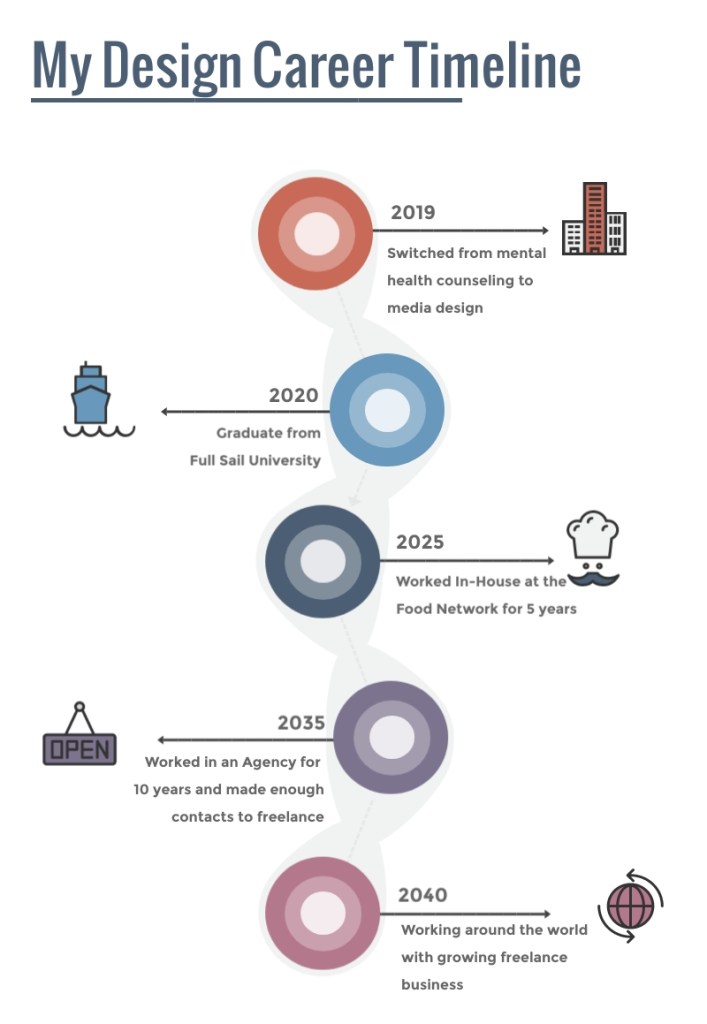
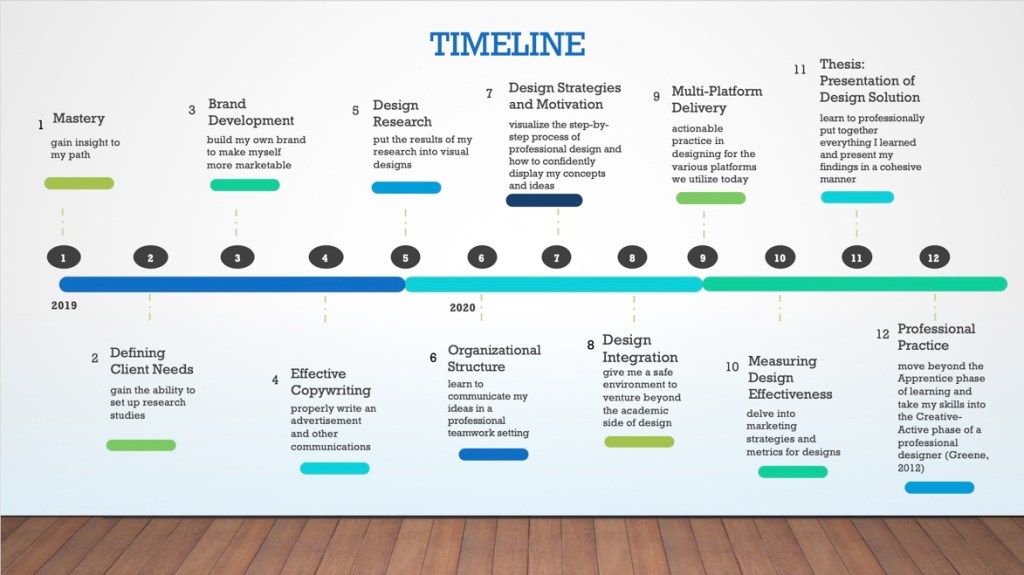
When it came to the thesis, I did not have any particular materials that lent to the degree learning outcomes (DLOs: connecting, synthesizing, and transforming; problem solving; innovative thinking; acquired competencies) we were trying to address. However, my work all stemmed from Greene’s (2012) Darwinian Strategy. While I am still understanding my overall style as a designer, it was my goal to use the skills I learn in this program to identify the perfect niche for me. Creating my program timeline, helped layout small goals I can accomplish during my time at Full Sail. While I did not do everything I intended to do while in the program, I can say that having the timeline to look back on helped me stay focused and grounded. Through more projects and practice I will find a way to utilize the enlightening information I realized about myself in this course.
Month 2: Defining Client Needs
Personal triumph of the month: Created my first logo concepts
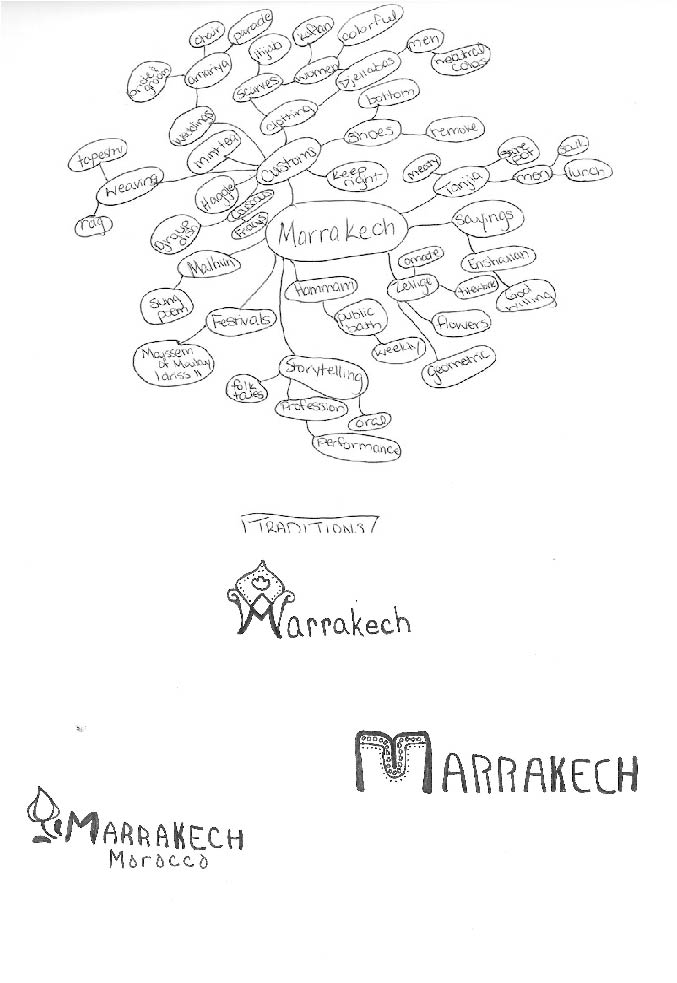
Defining Client Needs was my first real introduction to the design process. First, it was made clear to us that logo is not the same as a brand. Second, I felt like I received clear steps for developing an ideal logo concept which is how I learn. I needed to know what steps to take to go from an amorphous concept to having clear, physical representations of a company through the logo. When we initially created the mind maps for our city tourism project, I was skeptical of my ability to transform them into possible icons for the city. However, following Professor McClung’s guidance and plenty of research helped create images that were relevant and spoke to the character of the city I chose: Marrakech.
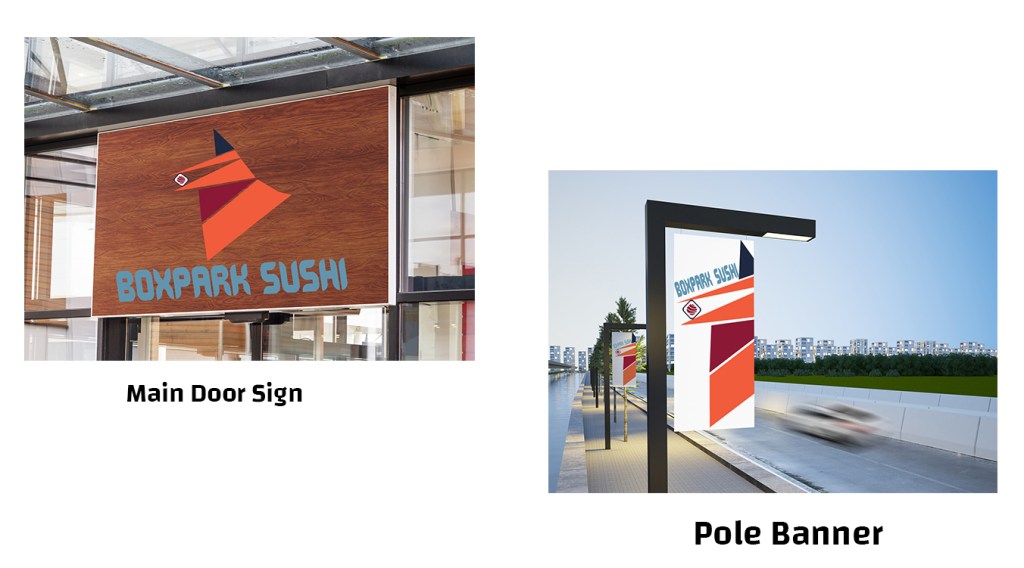
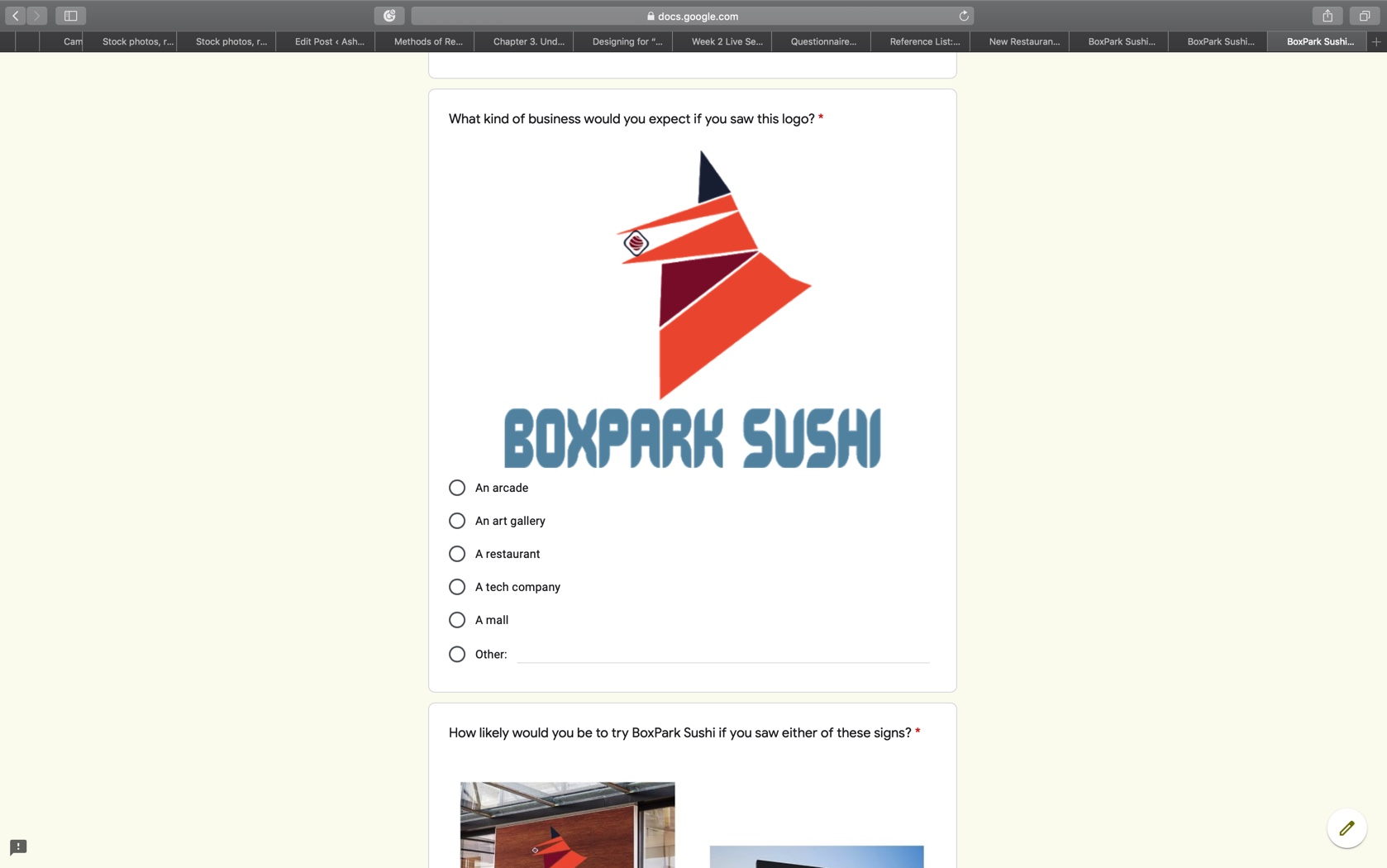
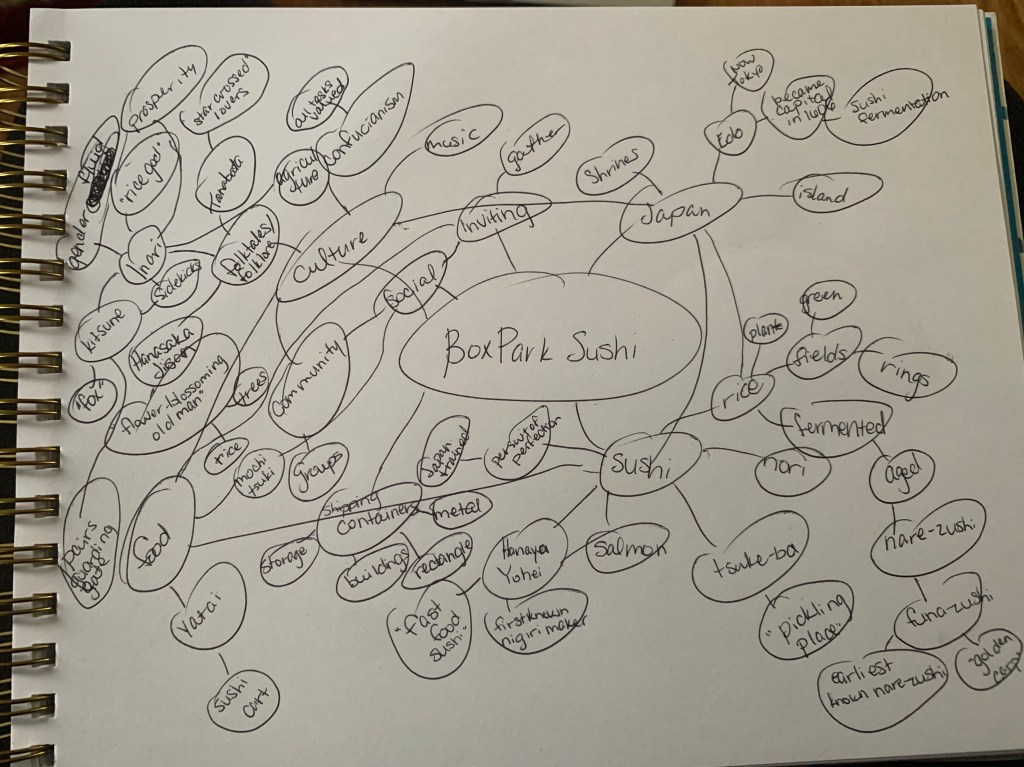
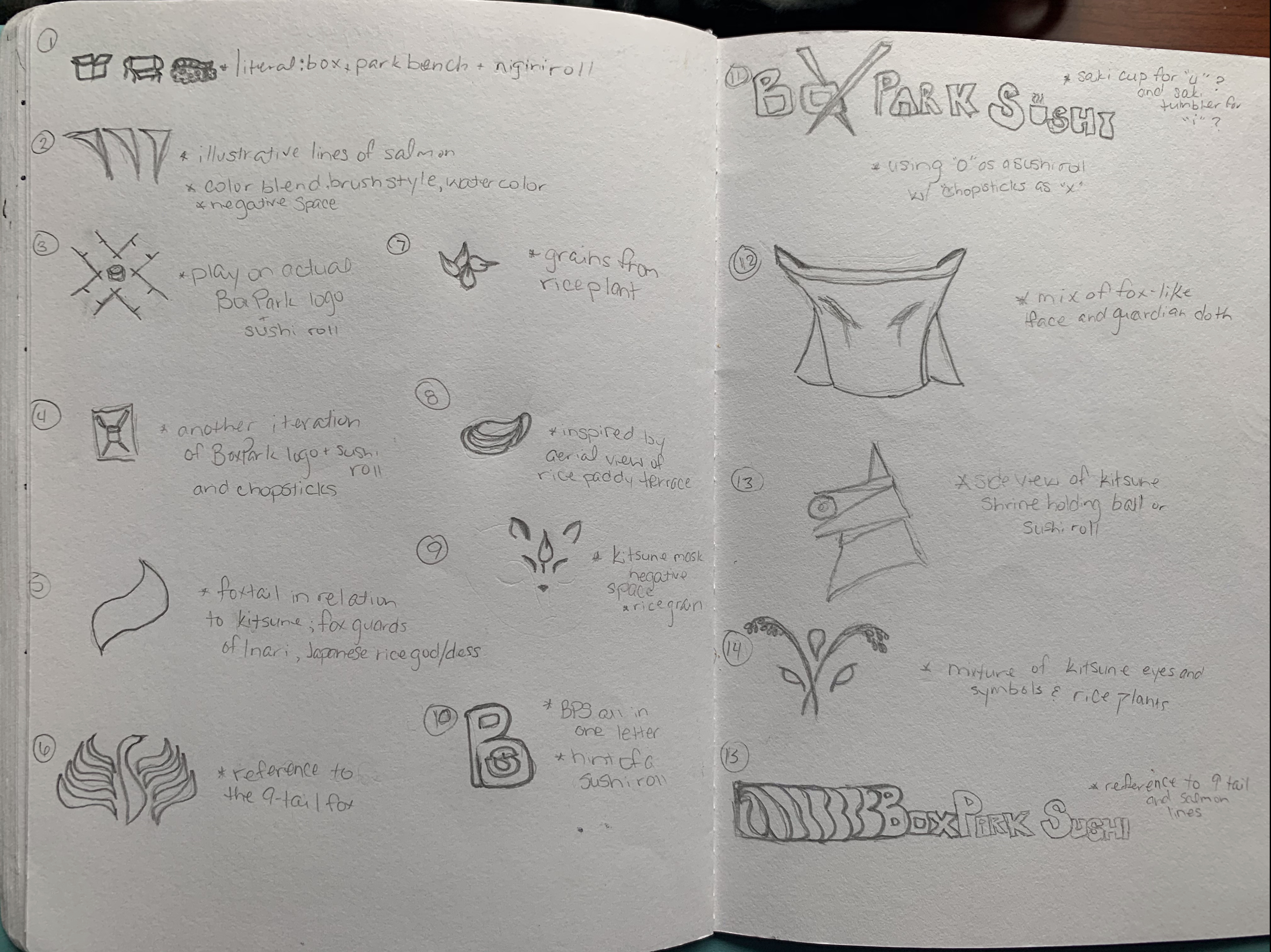
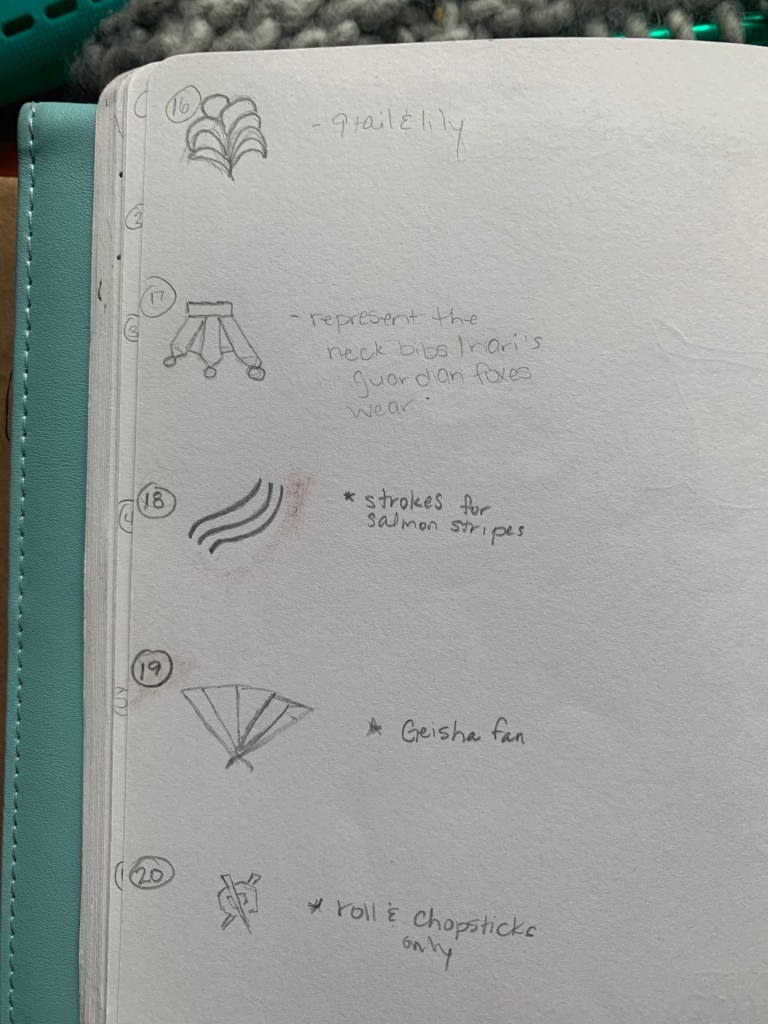
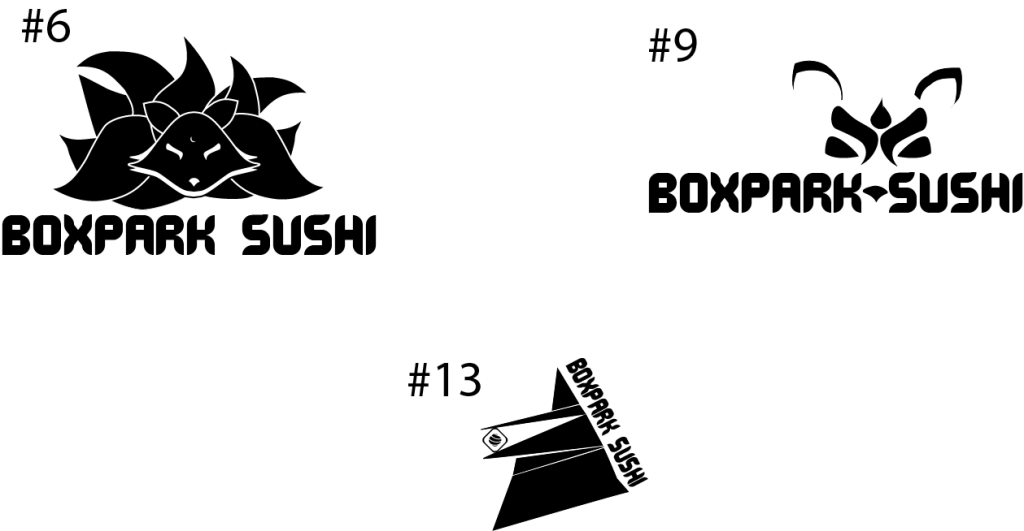
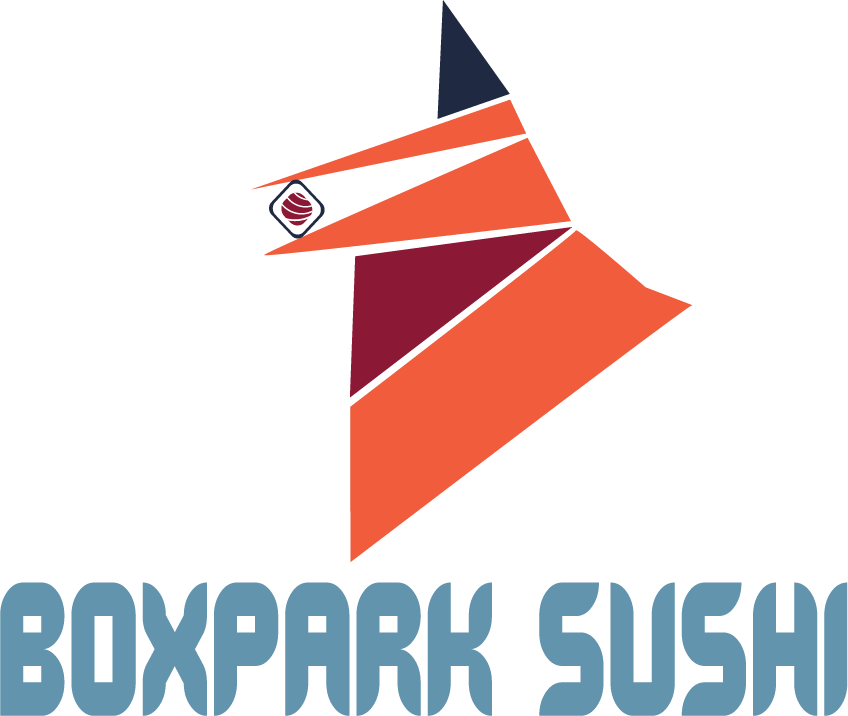
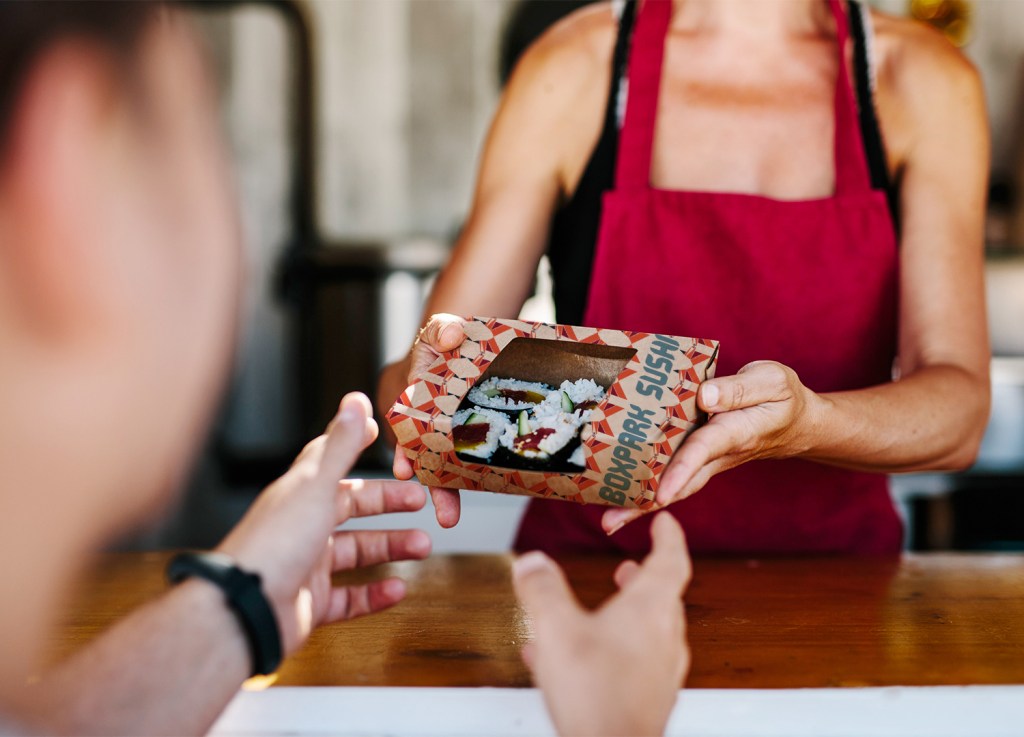
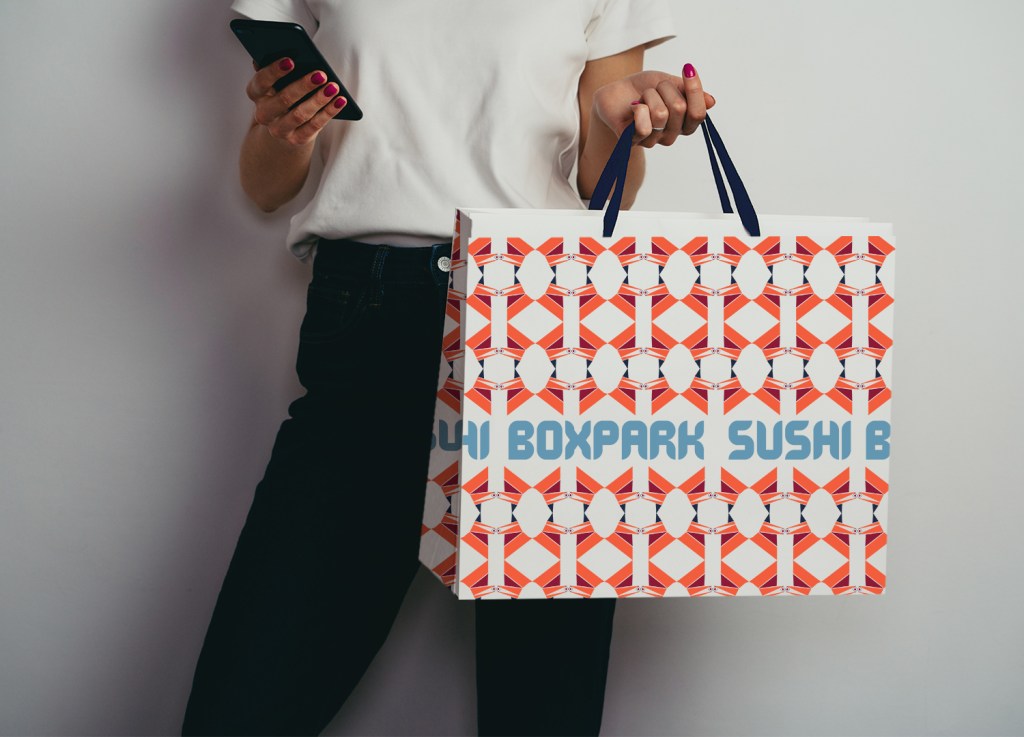
When it came time to later create the logo for the BoxPark Sushi restaurant concept, I was able to utilize these same practices. I started by creating a mind map then moved into researching more terms and ideas which ultimately led my focus on the kitsune, a Japanese Shinto fox spirit, that became the icon for the restaurant. This process made it easier for me to create a unique icon for my thesis project and also gave me the confidence to start taking on freelance logo work as well.
Month 3: Brand Development
Personal triumph of the month: Utilized Adobe Illustrator, InDesign, and Photoshop for the first time!; Created first vision boards
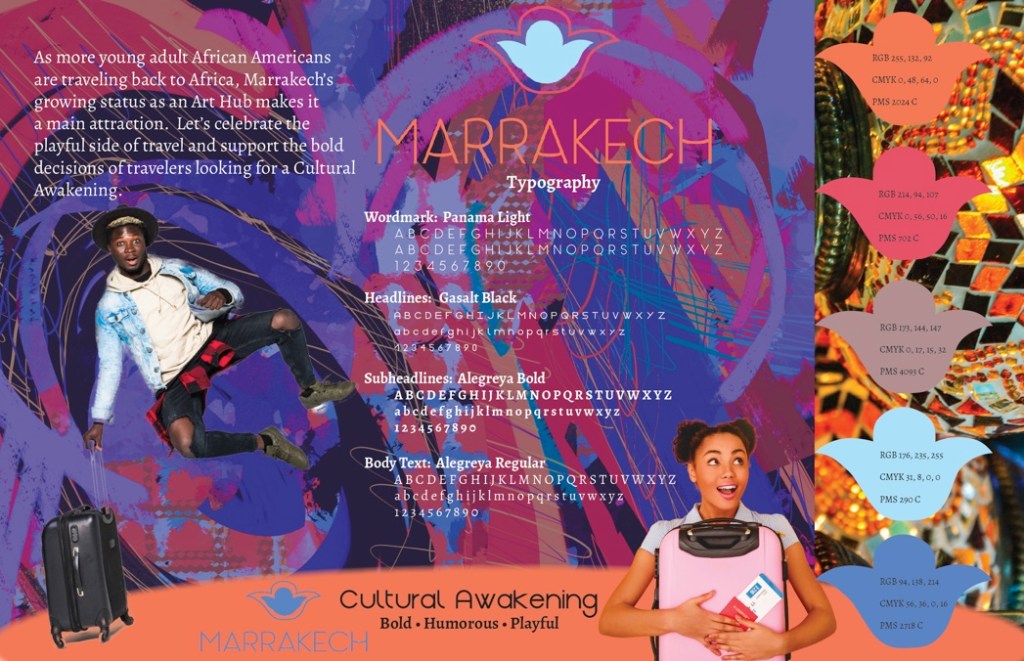
In this month, we continued building our city tourism projects by moving from logo iterations to developing brand personalities. This was another step in my understanding of how to create an identifiable brand. This course showed me one of the ways to develop a personality for a company or campaign. To finalize the personality, I really had to connect the research of brand personalities with what each version of the city tourism project was conveying. Coming up with three different options for each category was initially intimidating, but I think it also helped me see that there is no one way or end-all-be-all to a logo iteration or a brand personality.
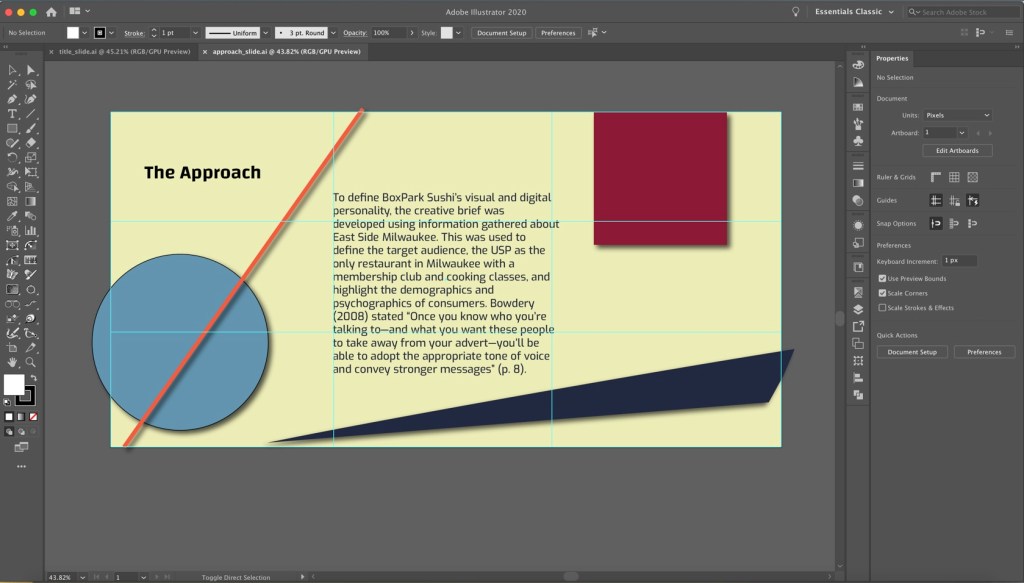
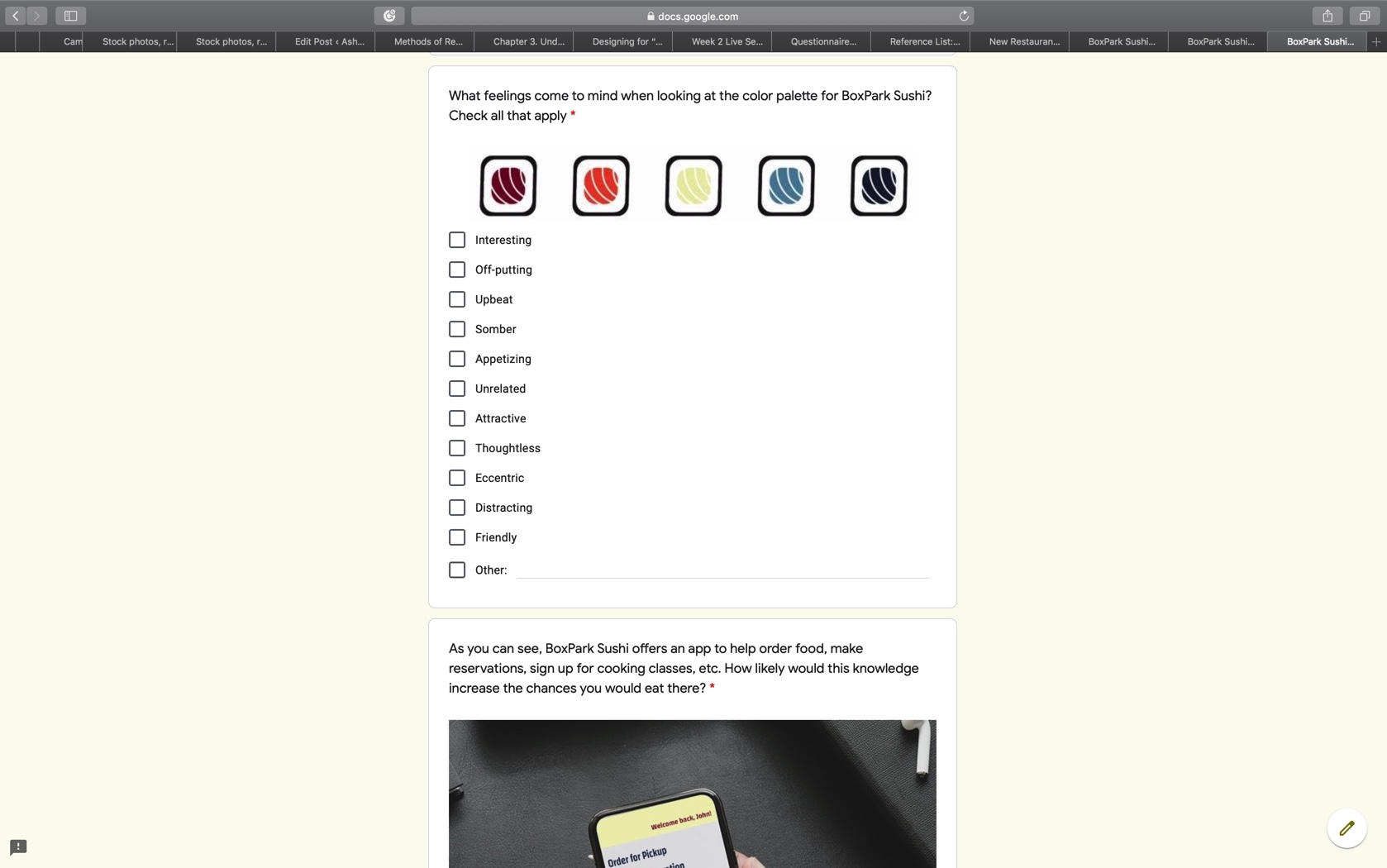
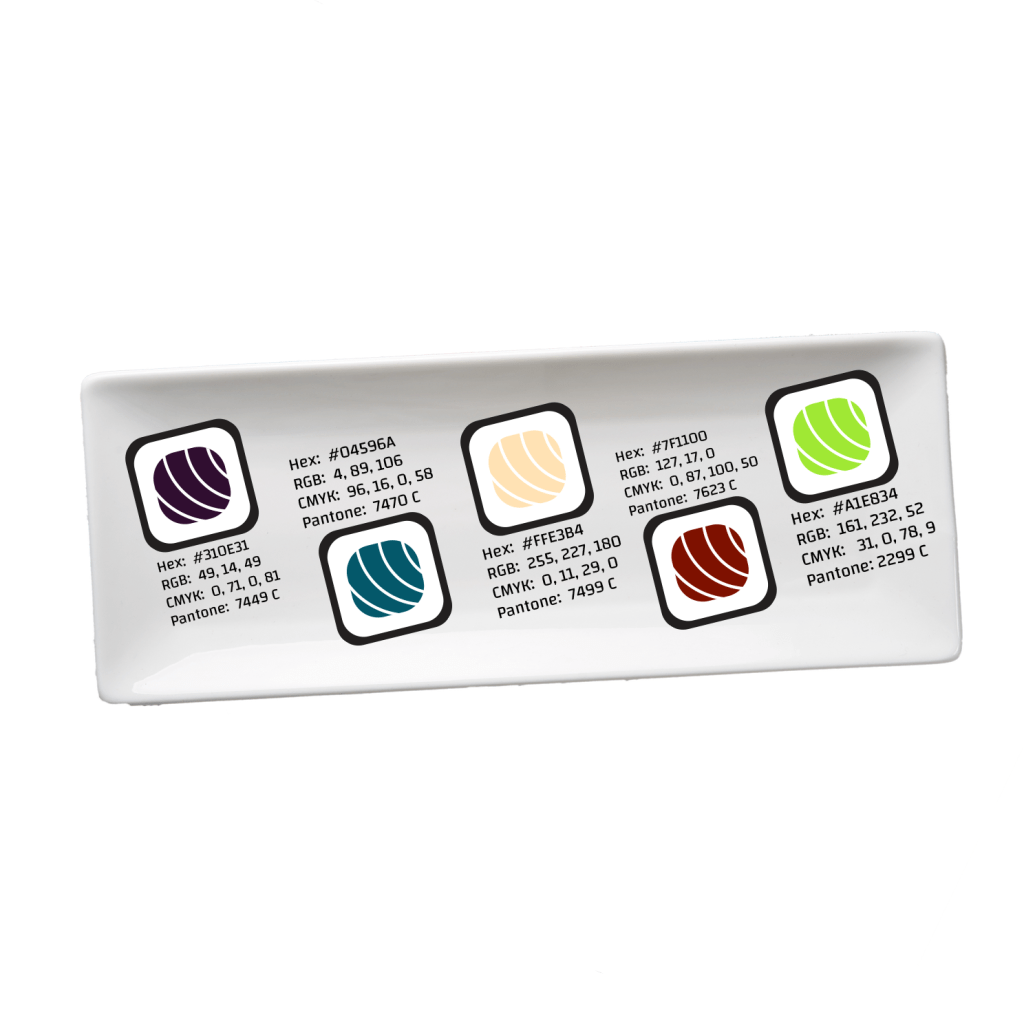
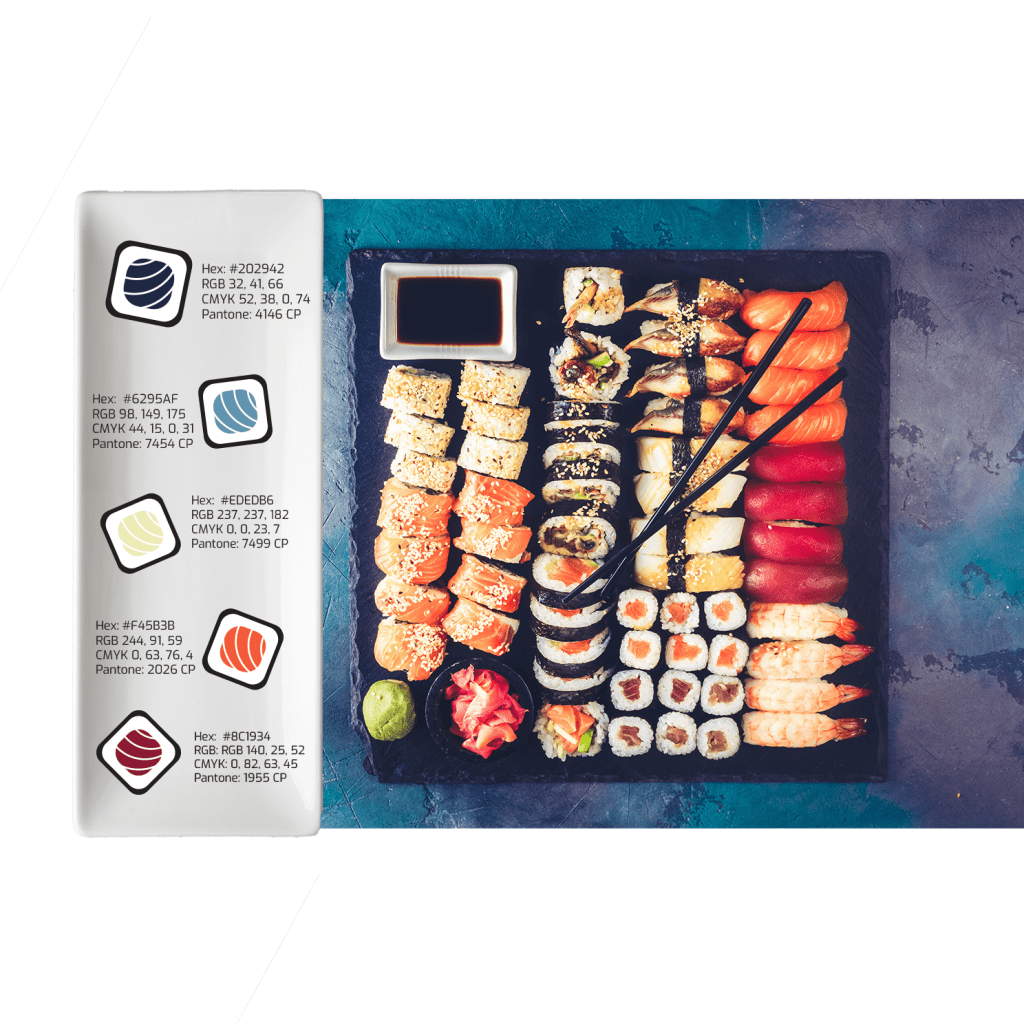
When it came time to complete the thesis project, these steps again came into practice when creating BoxPark Sushi’s personality as well as its static vision board. The overall personality of BoxPark Sushi became “social, daring, genuine, and inviting”. Using these adjectives to describe the restaurant helped create a unique color palette, develop a fun and inviting voice and tone, as well as helped show a different take on a traditional restaurant-style. Overall, the skills learned in this course helped shape the overall feel of BoxPark Sushi, making it a key addition to my portfolio.
Month 4: Effective Copywriting
Personal triumph of the month: I was able to break away from my academic writing voice and get a little more creative; Developed my first Ad campaign
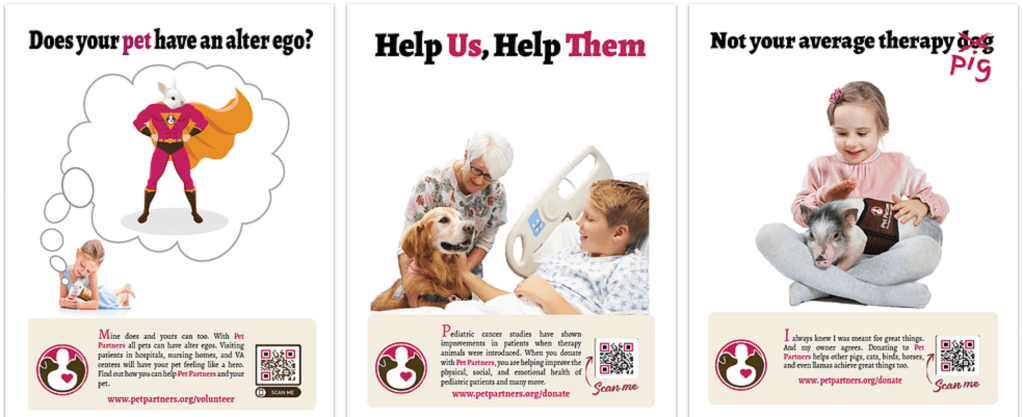
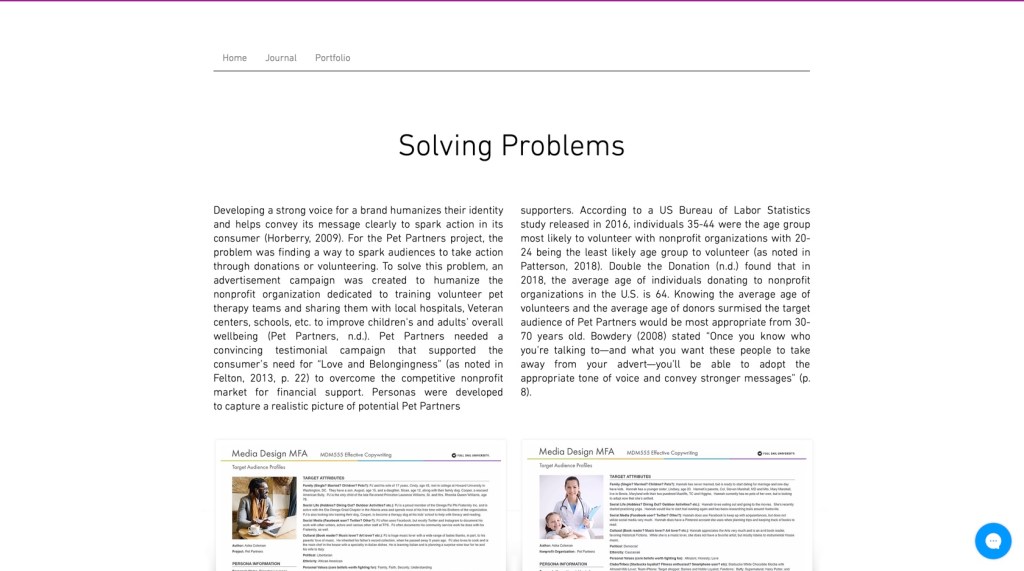
I thought this class was going to be a lot easier for me because a lot of my undergrad and 1st Masters consisted of writing. And admittedly, I think I write very well. However, that has all been academic writing. The creativity that goes into copywriting is a whole ‘nother story. I thought my academic writing skills would make it easier to develop taglines for our assignments, but it actually made it harder. I really struggled to develop creative, catchy, and representative descriptors of Pet Partners, the nonprofit organization I chose for the course. However, breaking down the different types of taglines using Schwartz’ (2006) definitions of rhetoric.
Again, for the BoxPark Sushi project, I utilized Schwartz’ definitions to develop the restaurant’s tagline. Originally, the tagline was tagline read: “Enticing, exciting and igniting your sushi journey” using meter described by Schwartz (2006). However, after receiving feedback and thinking about the characteristics of BoxPark Sushi, the final tagline became “Igniting your sushi journey”. This clearly laid out the intentions of the restaurant and introduced the sense of adventure the personality conveys. Being able to break out of that academic writing helped me explore new ways of describing a company in a phrase. Learning this also helped me develop a tagline for myself as a designer. While it is still a work in progress, I have come up with:
“Former mental health counselor turned investigative designer with a passion for bringing projects to life”.
Semester 2
Month 5: Design Research
Personal triumph of the month: That I made it through the month without quitting…What? Sometimes that alone is an accomplishment
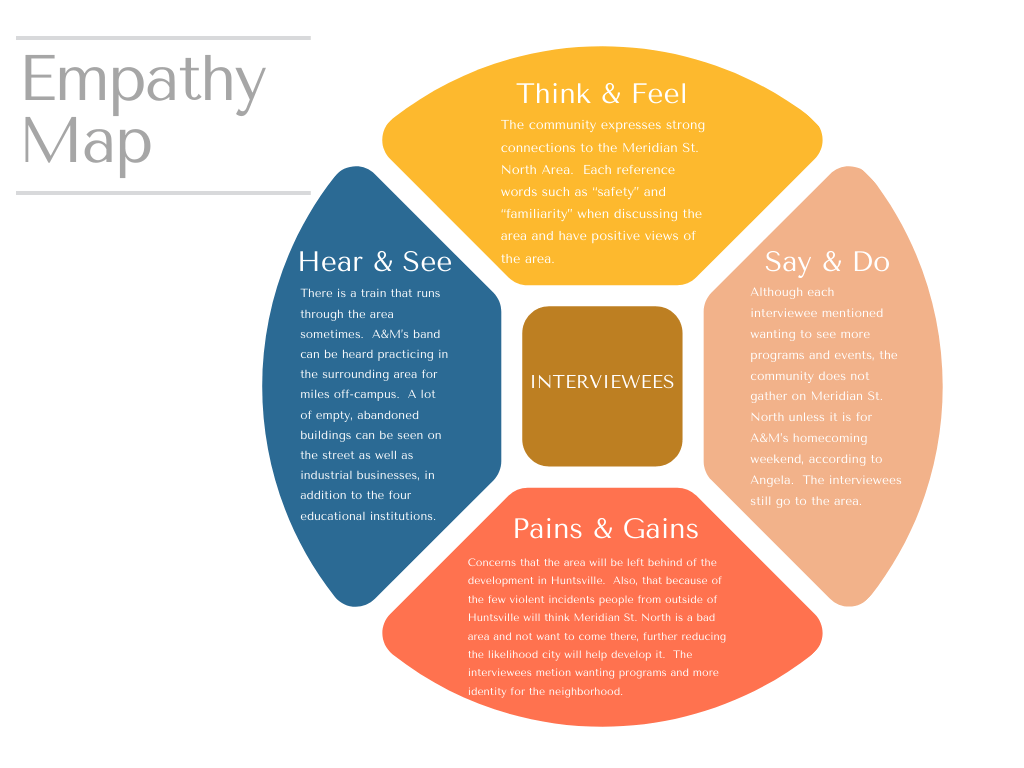
As you could gather from reading my post for Month 5 was rough. However, I learned valuable information about Place Branding as well as conducting primary and secondary research. This month was not the most exciting in terms of design, but it was a necessary installment to help clarify the importance of hearing directly from your target audience, when able. Being able to redefine a neighborhood or area of my city also helped the project feel more personal. In future, I actually hope to continue working on the place branding I started for the Meridian St. N. area in Huntsville, AL to make it a STEAM-focused learning district. I hope to give back to my community and this is only one way that I feel I can contribute.
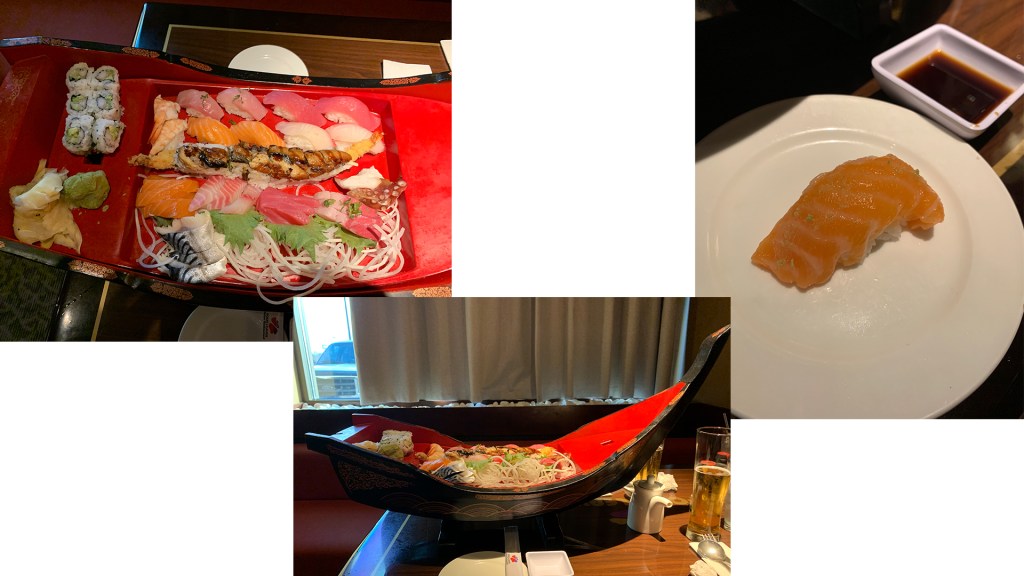
Overall, learning the fundamentals of primary and secondary research helped catapult the entire BoxPark Sushi project. I learned so much about sushi that I didn’t realize I had wrong and was able to create an identity that would exemplify the restaurant. This course also helped me navigate researching the East Side Milwaukee area similar to what I did for my neighborhood. I was able to incorporate some of the same strategies such as checking the demographic and cost of living in the area to help shape BoxPark Sushi’s target audience.
Month 6: Organizational Structures
Personal triumph of the month: Created and edited first projects in After Effects and Premiere Pro; Created a 3D infographic
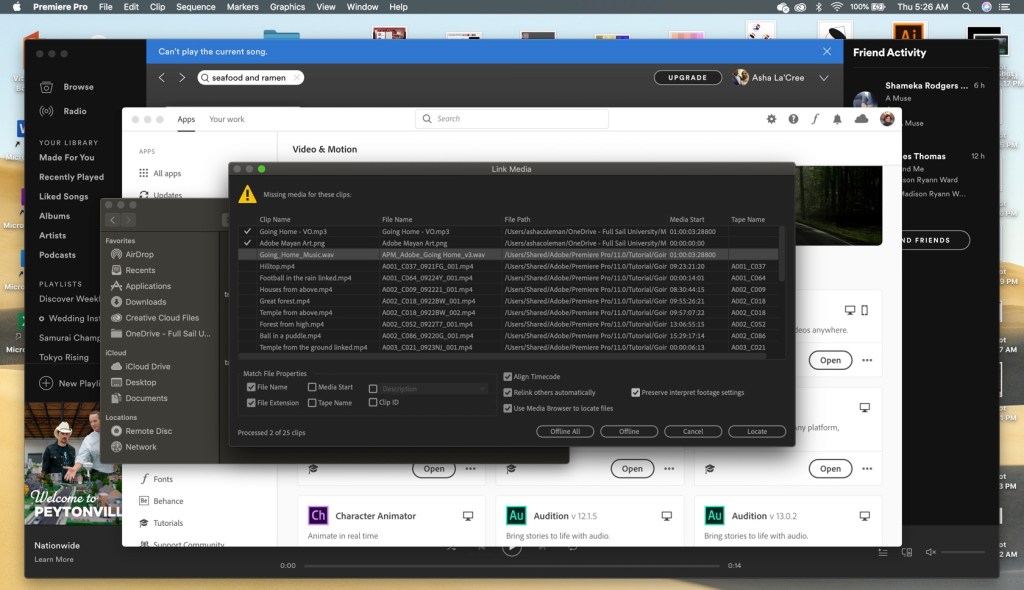
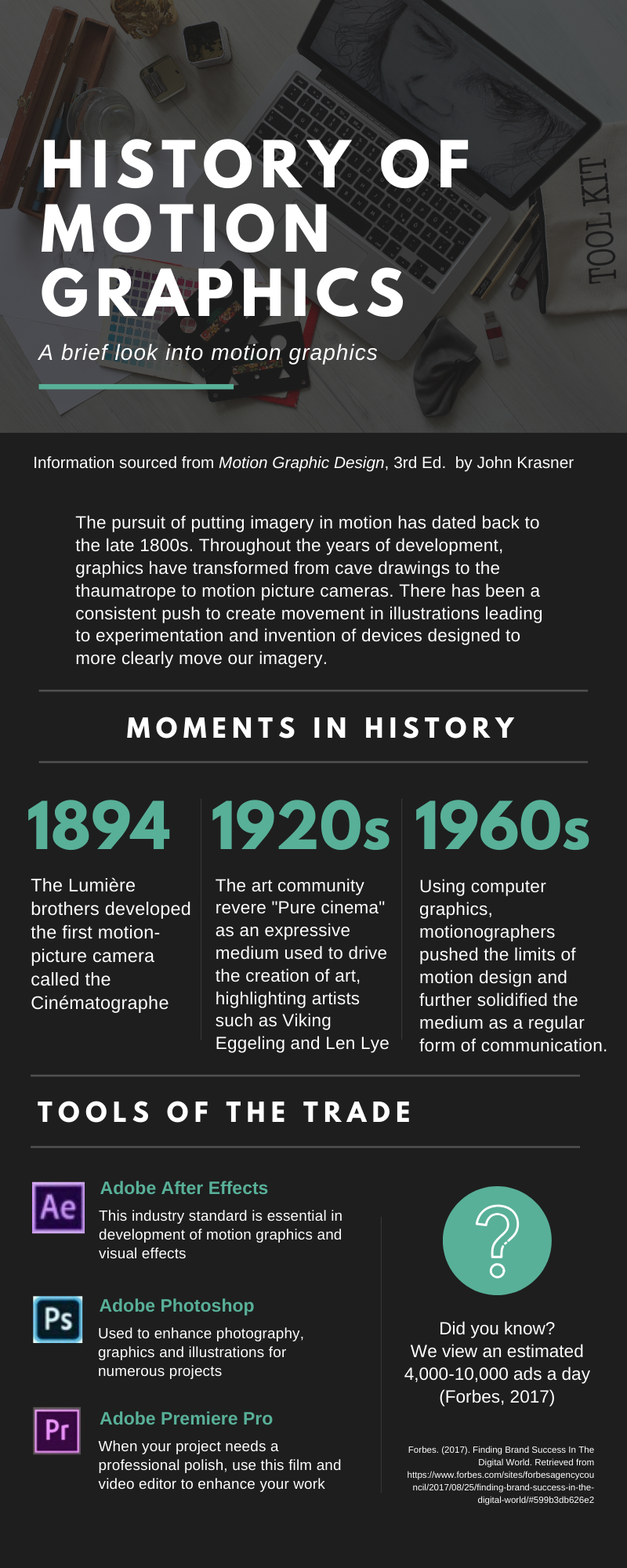
Organizational Structures was an interesting month as it not only forced me to learn Adobe After Effects and Premiere Pro, but I also got a feel for creating infographics, as well. Following the Adobe Help (n.d.) tutorials gave me foundational techniques to create basic projects in both video editing programs. Coming into the degree program, my only experience with video editing was putting together picture slideshows in Windows Movie Maker. While this came in handy, a little, I had so much to learn when it came to putting together a story that encapsulated the audience.
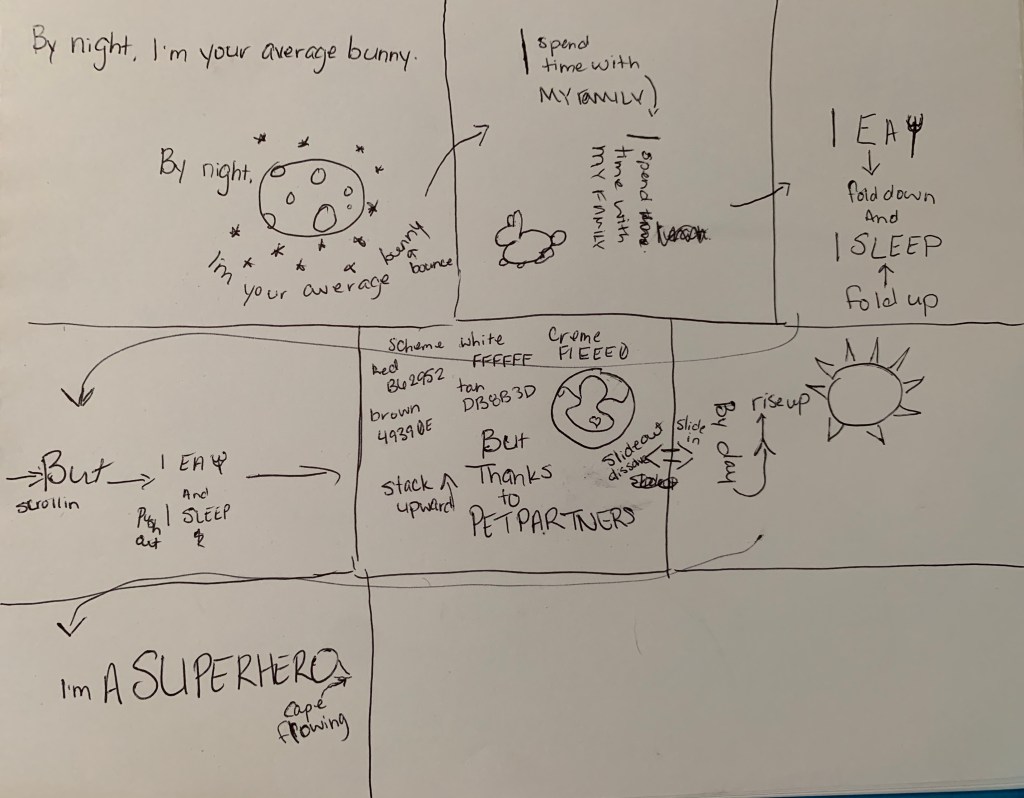
This ability translated over to the creation of the dynamic vision board for BoxPark Sushi. It helped me understand the foundation of video editing and gave me the confidence to try new things when creating the promo. While I was still new and had more to learn, I have been able to translate the skills I developed in this course into real world experience. I am currently developing promo videos for a local music studio using the skills I learned in this course as well as new ones I’m learning every day. I have really come to love motion graphics and feel this is one area I plan to extensively continue developing my skills.
Month 7: Design Strategies and Motivation
Personal triumph of the month: I was able to create my first brand concept from beginning to end.
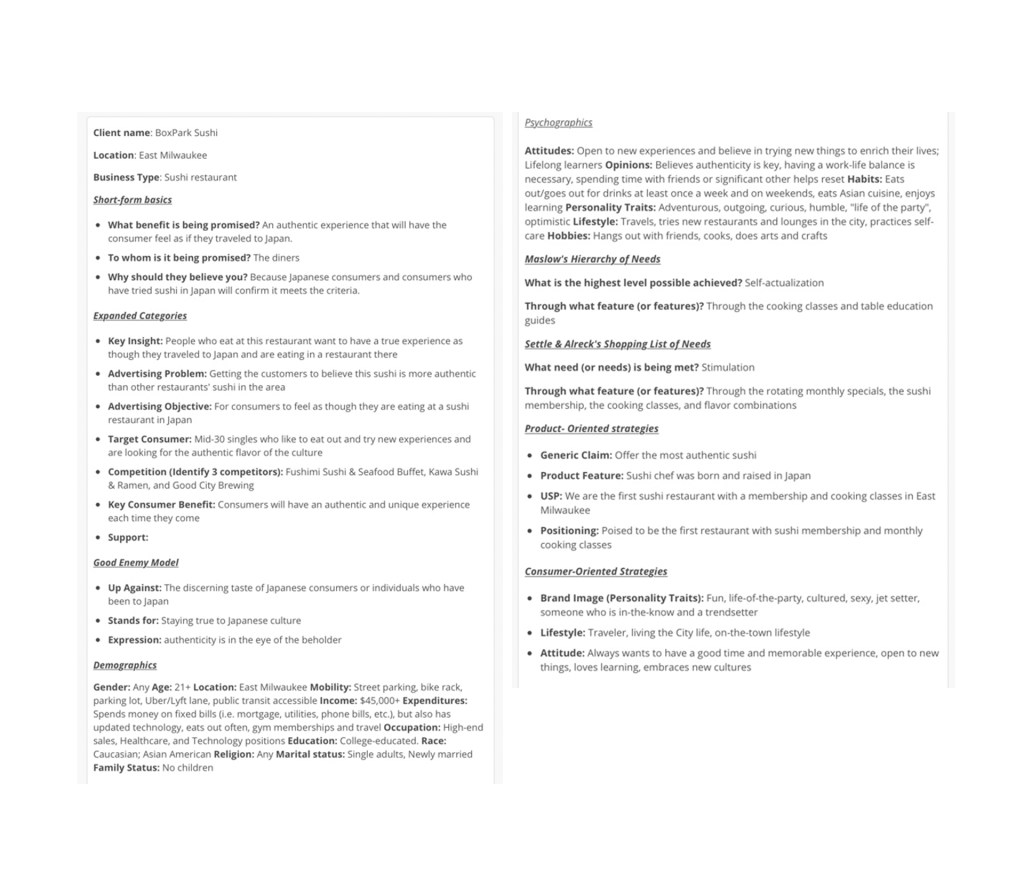
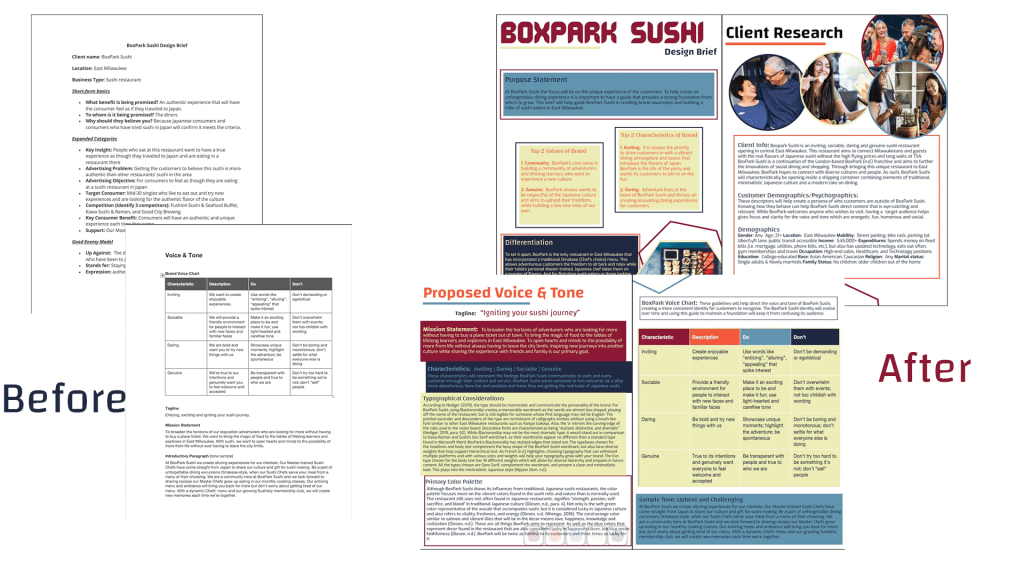
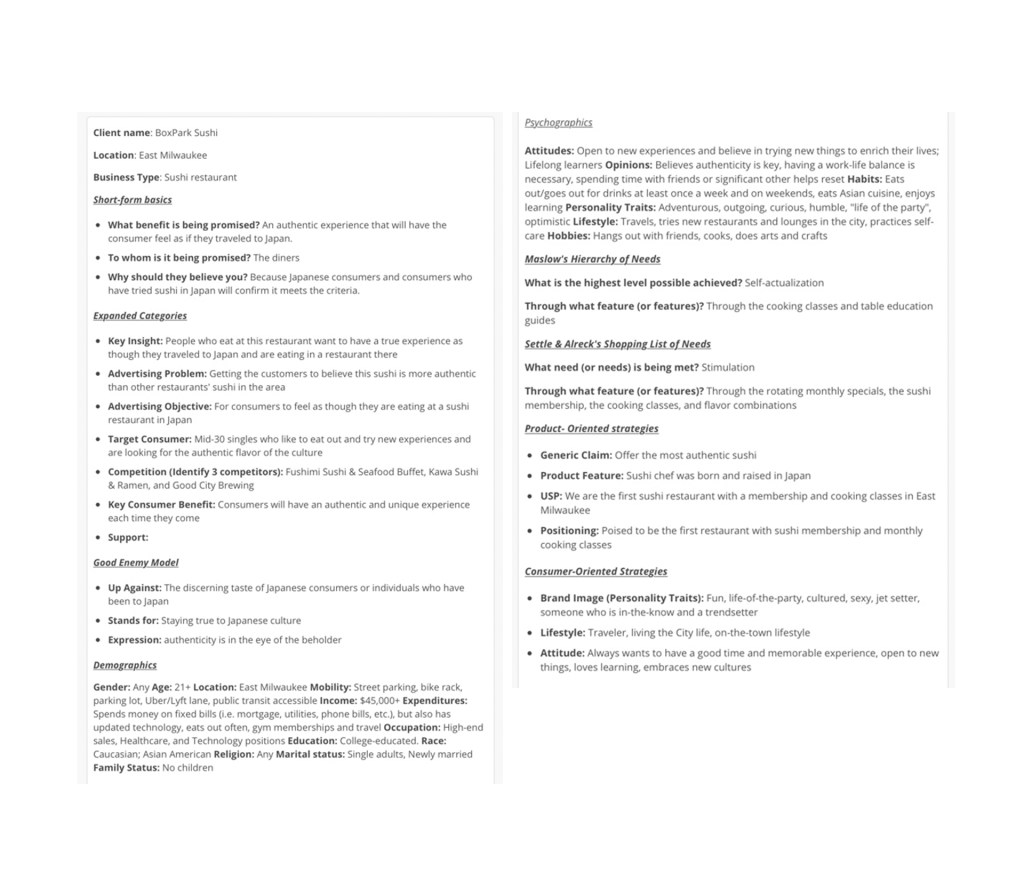
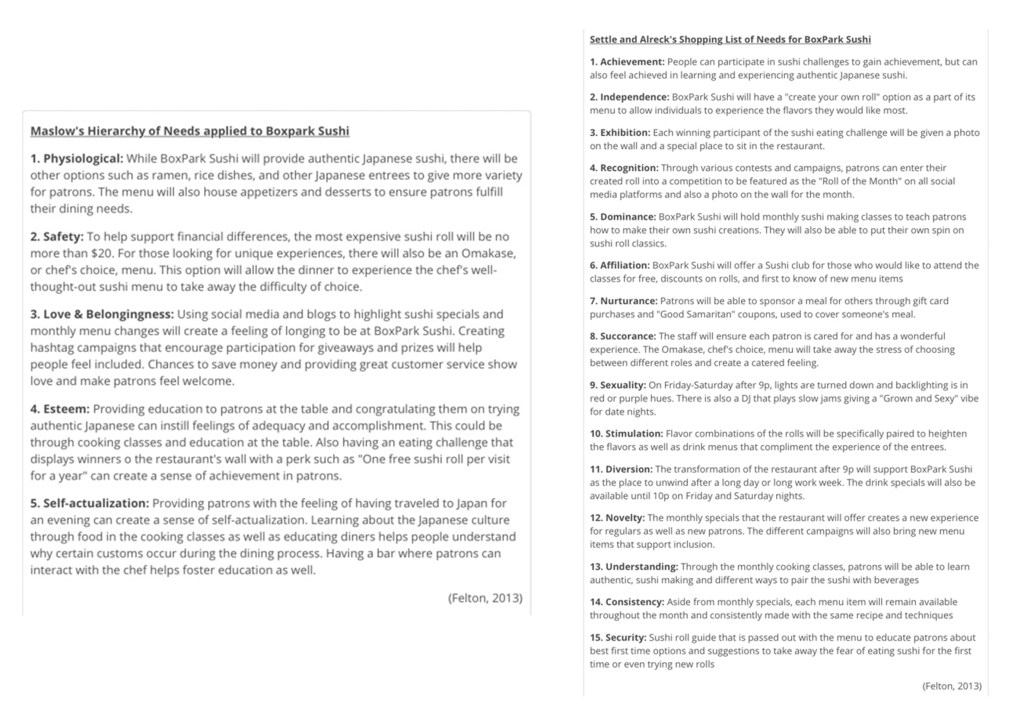
Coming up with a design strategy for BoxPark Sushi seemed overwhelming in the beginning. I had no idea how I was going to make sense of a restaurant when the only prompts I had were: It’s a sushi restaurant named BoxPark Sushi, in a shipping container, and located in East Side Milwaukee… Right. So, naturally I knew exactly what to do *does my sarcasm translate well through text?*. Learning to put together the design brief definitely helped create a phsyical structure to devleoping a concept. Incorporating Maslow’s Hierarchy of Needs and Settle and Alreck’s Shopping List of Needs, helped build insight into what my version of BoxPark Sushi wanted to accomplish. As this was a part of my thesis, I can only say that this course helped really build the foundation for the overall concept. While some parts were taken away or replaced, the overall personality, voice, and tone were developed using this design brief.
Month 8: Design Integration
Personal triumph of the month: Created a dynamic vision board that communicated BoxPark Sushi as a restaurant that will take you on a journey
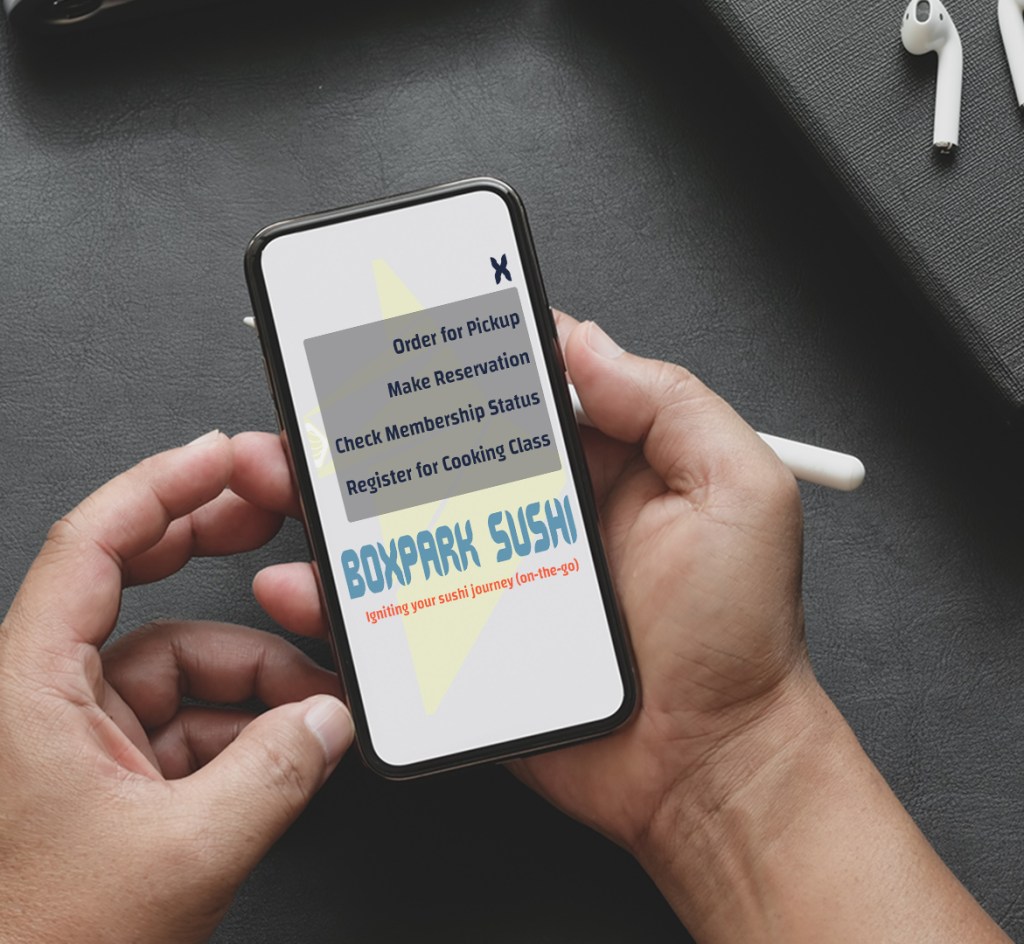
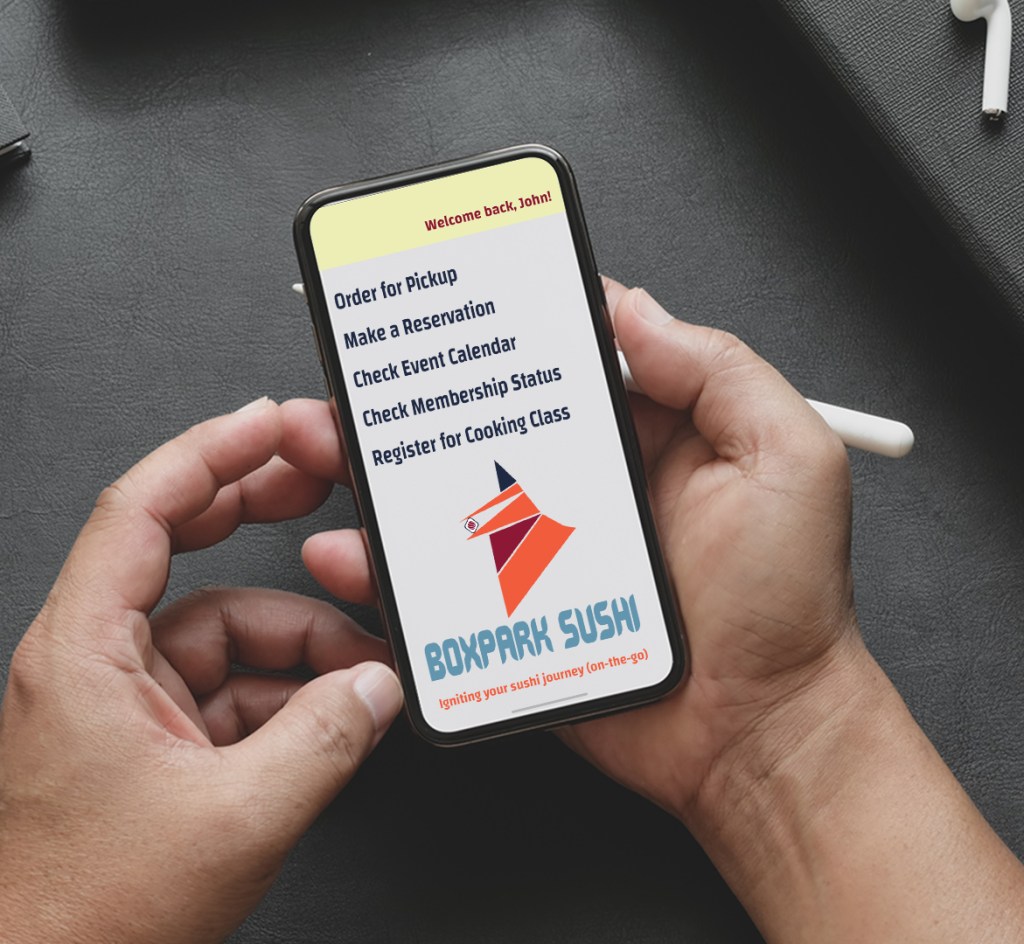
As its name suggests, the Design Integration month really started to meld all of the skills we learned into each assignment. In this month, I used skills from Brand Development to create the color palette and identify the voice and tone for BoxPark Sushi. I also used what I learned in Organizational Structures to create the dyanmic vision board. This month was clouded by shutdowns due to COVID-19 and going into quarantine so it was stressful, but I was able to create the first look at BoxPark Sushi as a concept. Again, everything learned in this course was put toward my thesis project to create the first visual picture of BoxPark Sushi.
Semester 3
Month 9: Multi-Platform Delivery
Personal triumph of the month: Created a cohesive brand guide!
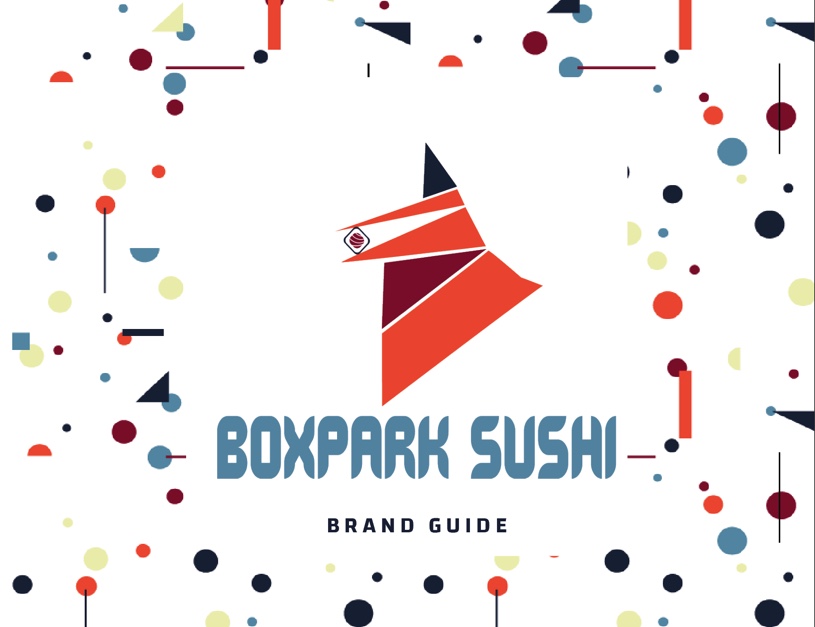
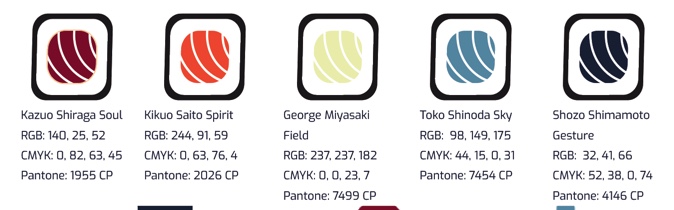
During this month, I had been in quarantine for weeks and was staring to feel like I was getting nowhere with my school work. I wanted to quit or take a break, but felt like if I did, I would never start again. So instead I tried to throw myself into other activities to keep me sane. I still did schoolwork too. The brand guide–which can be viewed here–was difficult to finalize. My original concept was too static and didn’t really have a theme. With advice from Prof. Argo, I finalized the guide using an abstract expressionist theme. My favorite part of this project was naming color in the palette after Japanese abstract expressionist painters whose styles enhanced the color.
Month 10: Measuring Design Effectiveness
Personal triumph of the month: Receiving positive feedback for my overall design of BoxPark Sushi
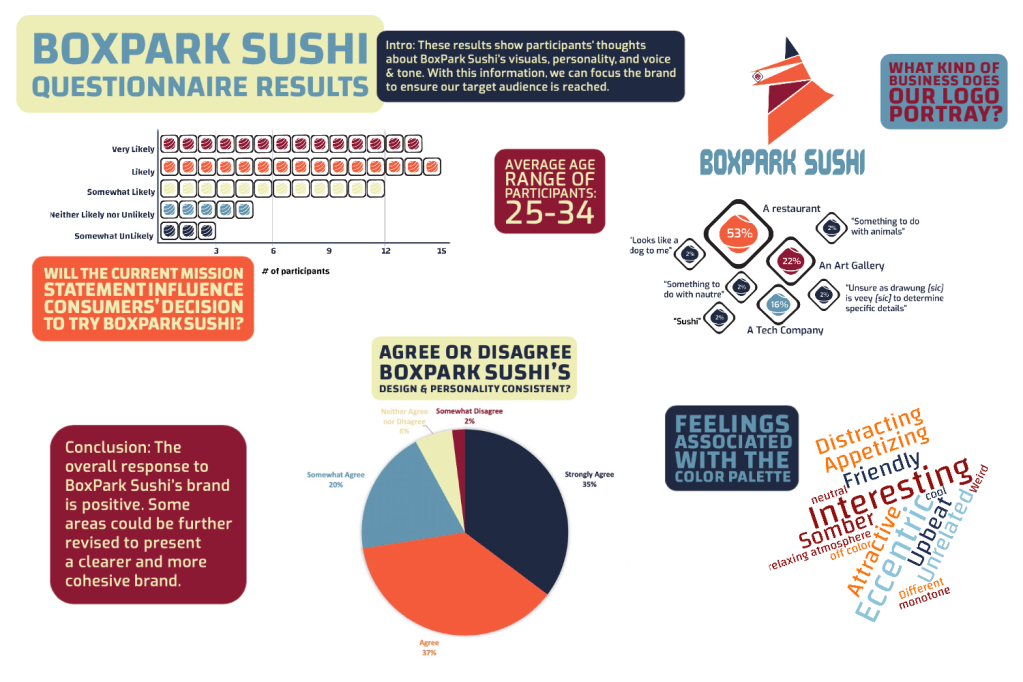
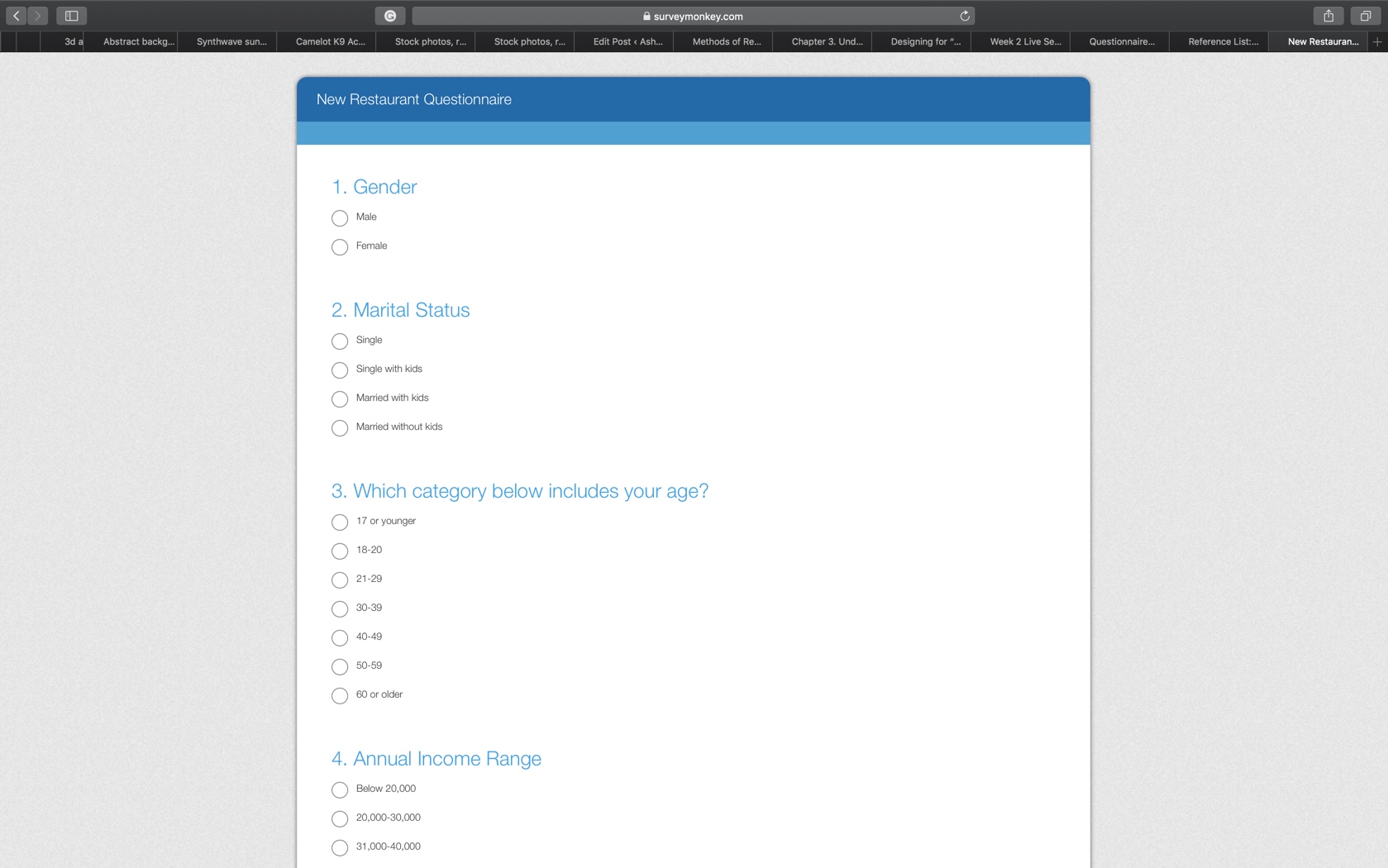
Coming into Design Effectiveness, I was unsure how well my concept for BoxPark Sushi would be received. I started having doubts about a restaurant being this eccentric but still trying to incorporate traditional methods. However, taking the time to craft questions specific to what I needed to know and getting feedback from individuals helped me understand the importance of checking in with the audience. It made me wish we checked in with people outside of our cohorts sooner. While the brand’s design was received well, there were some areas I may have been able to tweak sooner to communicatte BoxPark Sushi more clearly.
Month 11: Presentation of Design Solution
Personal triumph of the month: Creating a functional design layout for my thesis; Creating my first Behance project
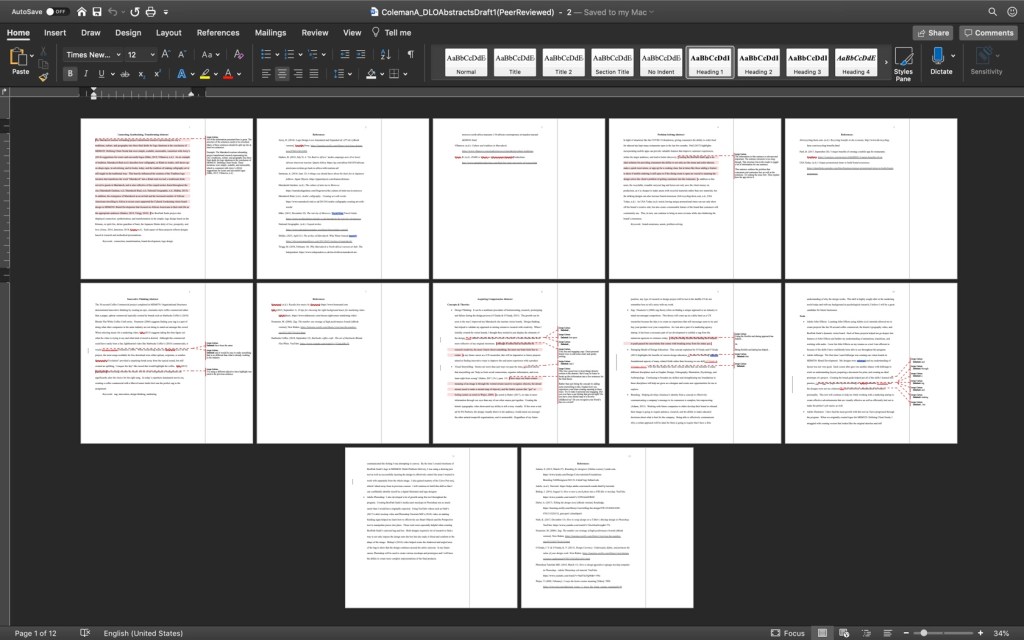
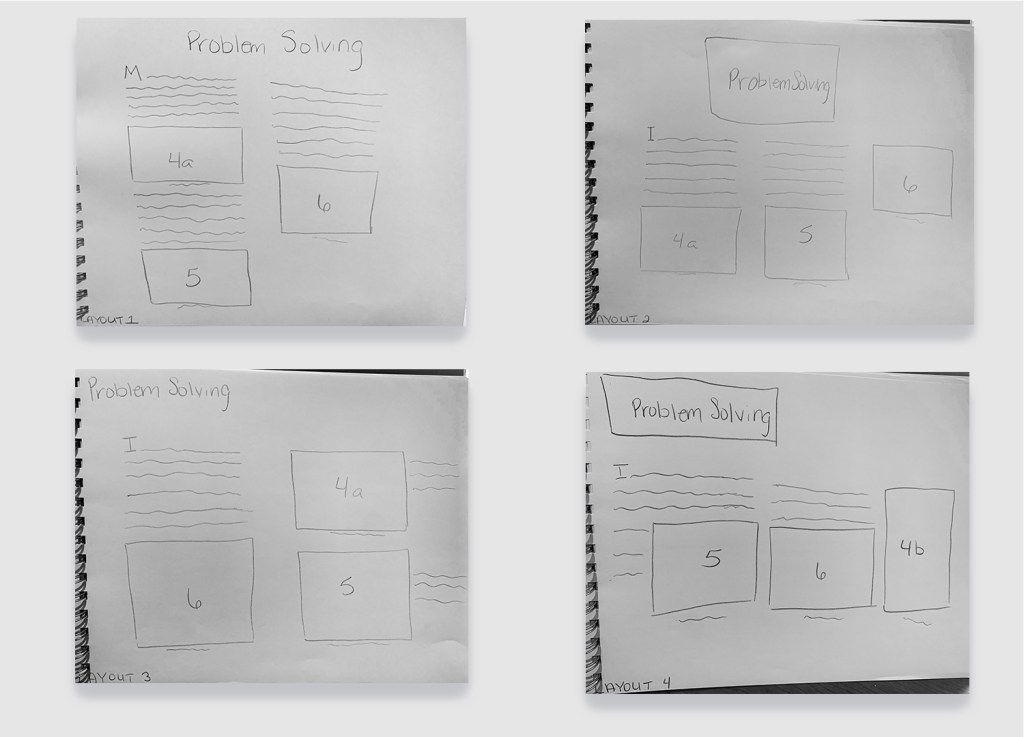
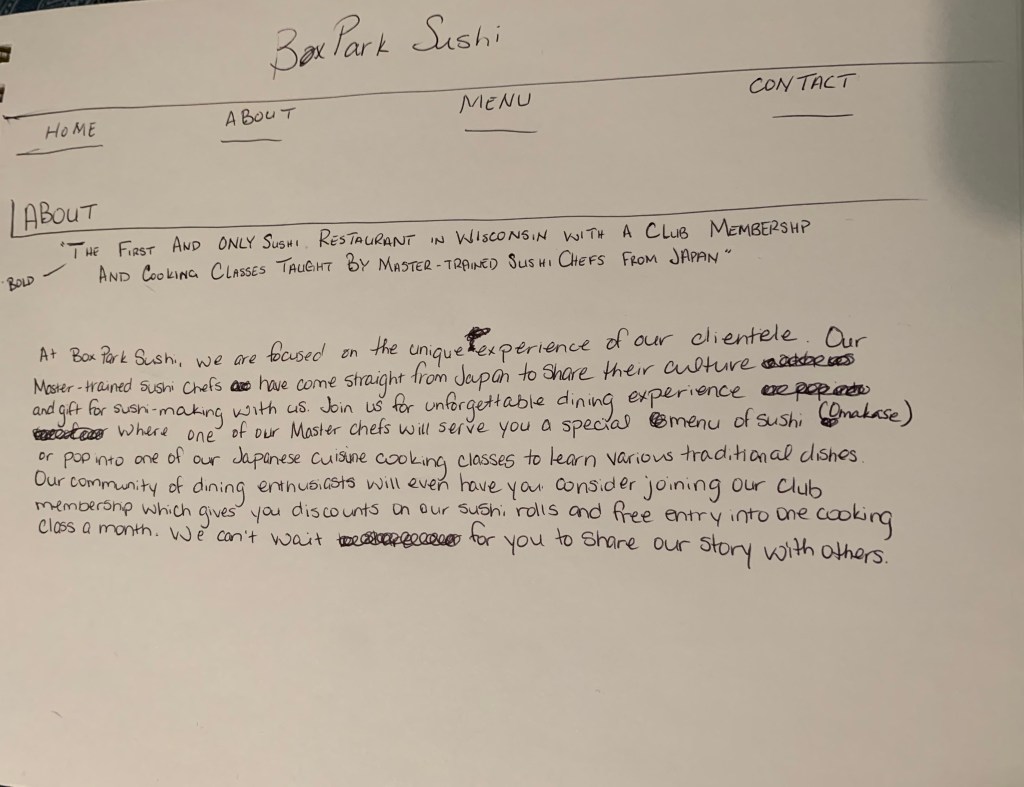
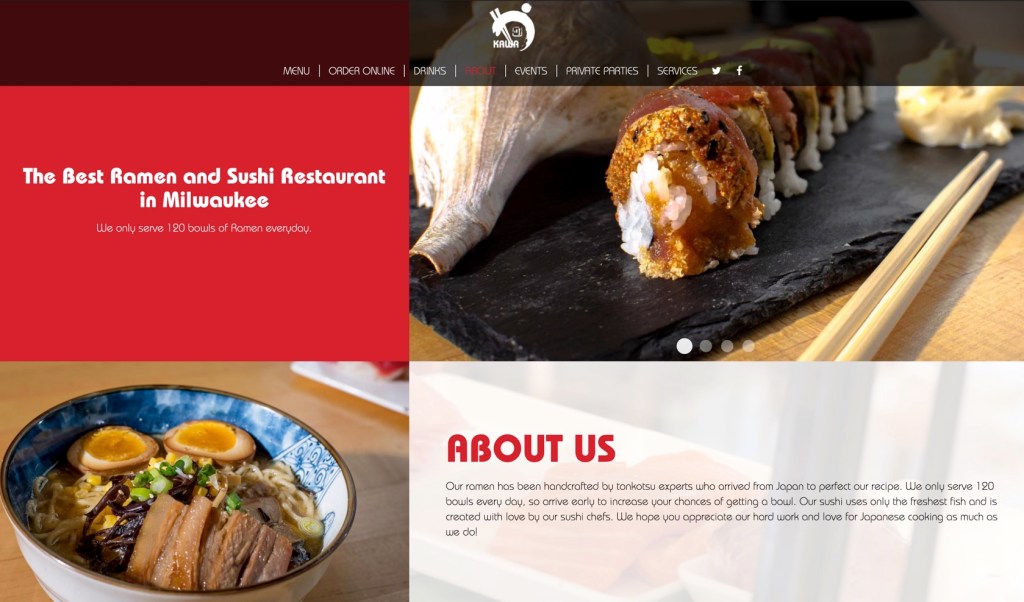
The Presentation of Design Solution course was the culmination of everything I learned throughout the program. I was able to identify all four DLOs and create pages of projects to back it up. The work put into the website was extensive. I struggled with proper layout and placement of text to create fluid movement through the page. After several consultations with instructors, classmates, and my mentor, I was able to create a layout that helped appropriately showcase the work and the justifications. Also, creating my first Behance project was another challenge. I have been on Behance since the beginning of the program and have often used the work on there to inspire my own designs. While I toyed with the idea of uploading my projects throughout the program, the final portfolio assignment, forced me to make this a reality. I was so grateful because I kept putting it off. When it came down to it, I just had to turn it in. This brought back my weakness from Month 1 when I identified my difficulty with overthinking. I’m proud of myself for completing the task, but I realize I still need to push myself to do new things even when they’re not required of me.
Month 12: Professional Practice
Personal triumph of the month: With this post, I just finished my 2nd Masters
Also, personal triumph of the month: Created my first 3D project with isometric view in Illustrator
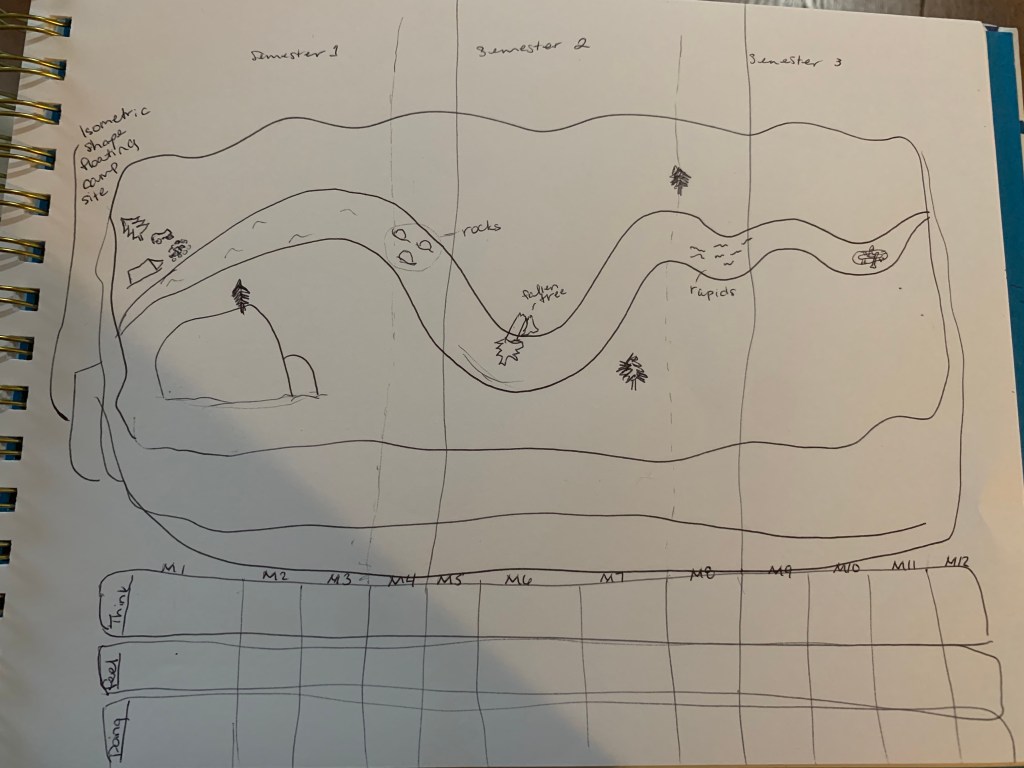
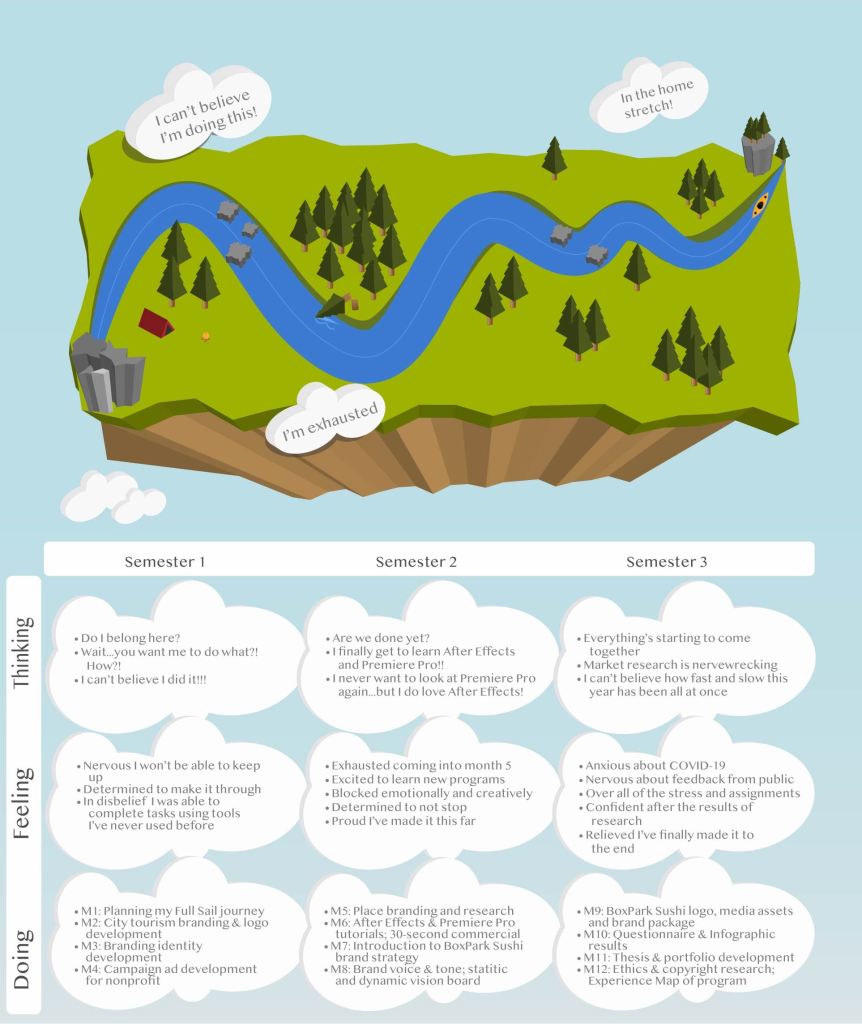
To put my revelation from Month 11 into practice, I used the experience map in this month to push myself beyond my comfort zone. I was able to create a 3D floating island with a winding river to showcase the ups and downs I experienced in the program. While I had to overcome setbacks such as watching tutorials where the designer was using Illustrator in another language, I was able to create this beautiful story. I chose to present the experience map in isometric view, not only because it would be a challenge for me, but because I felt that it created a broader picture of everything that encompasses a scene. While the kayak is already down river, there is still a fallen tree obstructing the path affecting the water flow. Overall, the map was a testament to how far I’ve come with this program. I couldn’t have ended on a better note. Thank you for taking this journey with me, whoever you are.
References:
Greene, R. (2012). Mastery (5th ed.) [eBook version]. Retrieved from vbk://9781101601020
Swartz, E. (2006, June). Wag the tagline. NHFA’S Home Furnishings Retailer, pp. 36-39. Retrieved from https://fso-lms4-immortal-assets.s3.amazonaws.com/104/20173/777b3424-3f9f-4534-85ed-f03b304c9bdc-058c850c-a4db-44c6-81b4-ef85600eb8a8/Wag_the_Tagline.pdf?X-Amz-Algorithm=AWS4-HMAC-SHA256&X-Amz-Date=20191115T020651Z&X-Amz-SignedHeaders=host&X-Amz-Expires=600&X-Amz-Credential=AKIAI4QJ7YJDQ7JYMBXQ%2F20191115%2Fus-east-1%2Fs3%2Faws4_request&X-Amz-Signature=9c49cc1830c3f89616b9adf54c5dc4573d10759f391549d10b960a7147bf3736